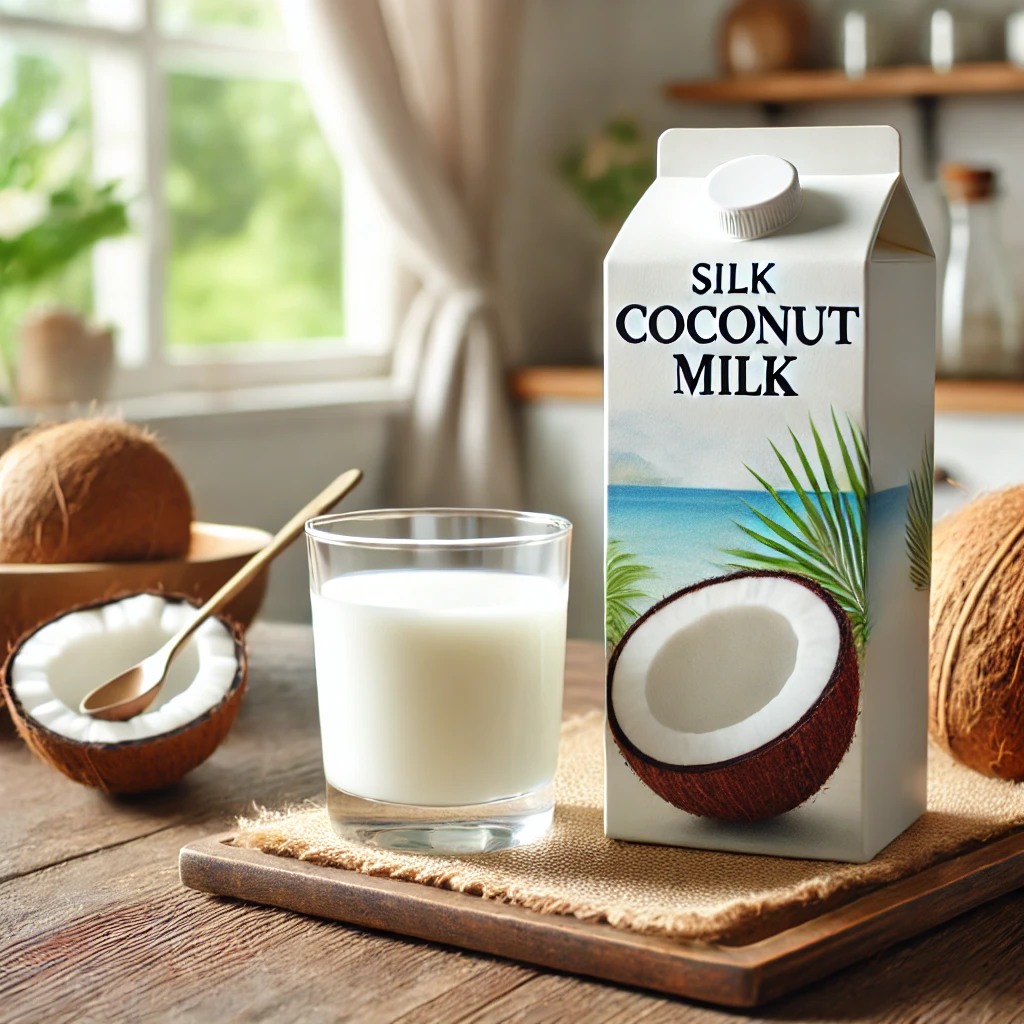
Unraveling the Story of Silk Coconut Milk
Silk coconut milk, a name that evokes images of smooth, luxurious texture and exotic, tropical sweetness, has carved a niche for itself in the ever-expanding landscape of plant-based beverages. More than just a dairy alternative, it embodies evolving consumer palates, food technology ingenuity, and a commitment to sustainable, ethical choices. This exploration delves into its origins, production, nutritional profile, culinary applications, and cultural significance, revealing the intricate thread connecting its creamy goodness to a broader narrative of health, innovation, and conscious consumption.
A Tropical Genesis: The Coconut’s Legacy
The foundation of Silk coconut milk lies in the coconut, a fruit revered for its versatility and nutritional benefits for millennia. Native to tropical regions, particularly Southeast Asia and the Pacific Islands, the coconut palm has long been a vital resource, providing food, drink, shelter, and even medicine. The white flesh within, known as the kernel, is the source of coconut milk, a staple in countless cuisines.
Traditional extraction involves grating the kernel and squeezing it through a cloth, yielding a rich, creamy liquid. While effective, this method is labor-intensive and inconsistent. The rise of commercial production, including brands like Silk, has streamlined the process, ensuring consistent quality and availability.
Silk’s Innovation: Crafting a Creamy Alternative
Silk, a pioneer in plant-based beverages, has harnessed the richness of coconut milk and combined it with advanced processing techniques to create its signature product. The brand’s focus on smooth texture and palatable sweetness has been instrumental in its success.
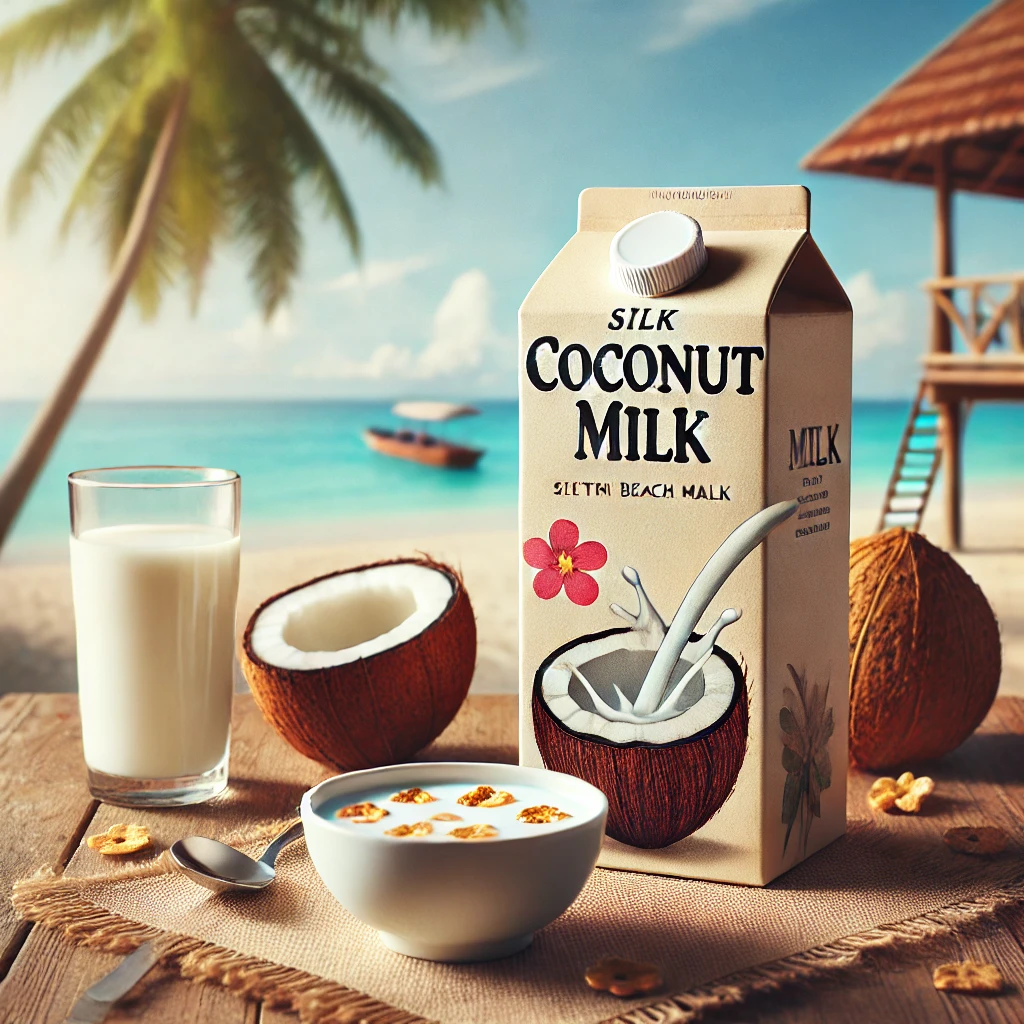
Production Process:
- Coconut Selection & Processing – High-quality coconuts are sourced, and their kernels are extracted.
- Milk Extraction – The kernel undergoes pressure and filtration to extract milk.
- Blending & Standardization – The extracted milk is blended with water, vitamins, and minerals to achieve the desired consistency, flavor, and nutritional profile.
- Homogenization & Pasteurization – Homogenization prevents fat separation, while pasteurization ensures safety and extends shelf life.
- Packaging & Distribution – The finished product is packaged in aseptic containers for freshness and distributed to retailers.
Silk also emphasizes sustainability, seeking ways to minimize environmental impact and support responsible farming practices.
Nutritional Nuances: A Profile of Health & Wellness
Silk coconut milk offers a unique nutritional profile that differentiates it from dairy and other plant-based alternatives.
- Healthy Fats – Rich in medium-chain triglycerides (MCTs), which provide quick energy and may support weight management and cognitive function.
- Fortified Nutrients – Often enriched with calcium, vitamin D, and B12, essential for a balanced diet.
- Dietary Benefits – Naturally lactose-free, cholesterol-free, and soy-free, making it suitable for various dietary needs.
- Lower Protein Content – Contains less protein than dairy milk or some other plant-based milks.
- Caloric Variability – Available in different calorie options, with unsweetened varieties offering a lower-calorie alternative.
While Silk coconut milk offers numerous benefits, it should be consumed as part of a balanced diet, with individuals consulting health professionals for specific dietary concerns.
Culinary Versatility: From Savory to Sweet
Silk coconut milk’s creamy texture and mild sweetness make it a versatile ingredient in numerous culinary applications.
- Beverages – Enhances smoothies, coffee, and tea with a tropical twist.
- Baking – A dairy substitute in cakes, muffins, and cookies, adding moisture and richness.
- Cooking – A staple in Asian and tropical dishes, lending depth to curries, soups, and sauces.
- Desserts – Ideal for vegan ice cream, puddings, and dairy-free treats.
- Breakfast – Perfect for oatmeal, granola, and cereals.
Its adaptability allows for endless creativity in both traditional and modern kitchens.
Cultural Resonance: A Global Embrace
Silk coconut milk’s popularity reflects a growing shift towards plant-based diets and globalized food cultures. Once primarily linked to tropical cuisines, coconut milk has found a place in kitchens worldwide.
The rise of veganism and vegetarianism has fueled the demand for dairy alternatives, and Silk coconut milk’s creamy texture and pleasant flavor have made it a favored choice. Increased awareness of food allergies and intolerances has also driven demand for lactose-free options, with Silk coconut milk serving as a safe and delicious alternative.
The Future of Silk Coconut Milk: Sustainability & Innovation
As the demand for plant-based beverages continues to grow, Silk is poised to shape the industry’s future. The brand’s commitment to sustainability and innovation will be crucial in addressing challenges and opportunities ahead.
Key Focus Areas:
- Sustainable Sourcing – Prioritizing responsibly farmed coconuts.
- Product Innovation – Exploring new flavors, formulations, and packaging.
- Nutritional Enhancements – Adding more vitamins, minerals, and beneficial ingredients.
- Environmental Responsibility – Reducing production, packaging, and distribution impact.
The story of Silk coconut milk highlights the power of innovation, the appeal of tropical flavors, and the increasing demand for ethical, sustainable food choices. As plant-based beverages evolve, Silk coconut milk is likely to remain a beloved staple, seamlessly connecting its tropical roots to modern kitchens worldwide. Its luminescent thread—linking tradition, health, and sustainability—will continue to shine brightly, illuminating the path toward a healthier future.