Low Calorie Protein Shake: The Ultimate Guide for Healthy Weight Loss and Fitness
In today’s fast-paced world, people want quick, healthy, and effective nutrition solutions. One option that has gained massive popularity among fitness lovers, busy professionals, and weight-loss seekers is the low calorie protein shake. These shakes provide high-quality protein with minimal calories, making them perfect for fat loss, muscle maintenance, and overall health.
This article will explore what low calorie protein shakes are, their benefits, best ingredients, how to make them at home, who should use them, and common mistakes to avoid.
What Is a Low Calorie Protein Shake?
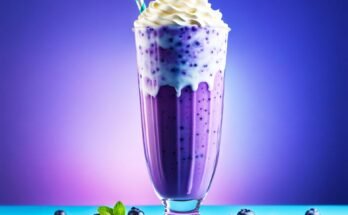
A low calorie protein shake is a blended drink made using protein-rich ingredients while keeping the calorie count low—usually between 100 to 250 calories per serving. Unlike regular protein shakes that may include sugar, full-fat milk, or peanut butter, low calorie versions focus on lean protein sources and low-energy ingredients.
These shakes are commonly used for:
- Weight loss
- Fat burning
- Post-workout recovery
- Meal replacement (light meals)
- Maintaining muscle mass during dieting
Why Choose a Low Calorie Protein Shake?
1. Supports Weight Loss
Protein helps you feel full for longer. A low calorie protein shake reduces hunger and prevents overeating, which is essential for calorie control and fat loss.
2. Preserves Lean Muscle
When losing weight, your body can also lose muscle. Protein shakes help protect lean muscle mass, especially during calorie deficits.
3. Boosts Metabolism
Protein has a higher thermic effect than carbs or fats, meaning your body burns more calories digesting it.
4. Convenient and Time-Saving
Perfect for busy mornings, post-workout nutrition, or when you don’t have time to cook a full meal.
5. Customizable for Any Diet
Low calorie protein shakes can be adjusted for vegan, lactose-free, keto, or diabetic diets.
Best Protein Sources for Low Calorie Shakes
Choosing the right protein source is key to keeping calories low while maintaining nutrition.
Whey Protein Isolate
- Very low in fat and carbs
- High protein content
- Easily digestible
- Ideal for post-workout
Plant-Based Protein
- Pea protein
- Brown rice protein
- Soy protein
Great for vegans and lactose-intolerant individuals.
Greek Yogurt (Low-Fat)
- High protein
- Creamy texture
- Contains probiotics
Use in small amounts to control calories.
Egg White Protein
- Fat-free
- High-quality protein
Often used in powdered form.
Low Calorie Liquid Bases
Avoid sugary juices and full-cream milk. Instead, choose:
- Water (zero calories)
- Unsweetened almond milk (15–30 calories per cup)
- Unsweetened soy milk (low calorie, higher protein)
- Coconut water (use sparingly)
Best Low Calorie Add-Ins
To improve taste and nutrition without adding too many calories:
- Spinach or kale (very low calories)
- Frozen berries (small portions)
- Chia seeds (use 1 teaspoon)
- Cinnamon or cocoa powder
- Ice cubes
- Stevia or monk fruit sweetener
Simple Low Calorie Protein Shake Recipes
1. Classic Vanilla Slim Shake
- 1 scoop whey isolate (110 calories)
- 1 cup unsweetened almond milk
- Ice cubes
- Cinnamon
Total calories: ~140
2. Green Fat Burner Shake
- 1 scoop plant protein
- 1 cup water
- Handful of spinach
- Half green apple
Total calories: ~160
3. Chocolate Recovery Shake
- 1 scoop chocolate whey isolate
- 1 teaspoon cocoa powder
- 1 cup almond milk
Total calories: ~150
When Should You Drink a Low Calorie Protein Shake?
Morning Breakfast
Great for people who skip breakfast or want a light start to the day.
Post-Workout
Helps muscle recovery without adding unnecessary calories.
Between Meals
Controls hunger and reduces unhealthy snacking.
Before Bed (Optional)
Choose slow-digesting protein like casein if calories allow.
Who Can Benefit the Most?
- People trying to lose weight
- Gym beginners and athletes
- Office workers with busy schedules
- Individuals on calorie-restricted diets
- People wanting healthier food choices
Low calorie protein shakes are suitable for both men and women.
Common Mistakes to Avoid
Adding Too Many Ingredients
Peanut butter, honey, bananas, and oats can quickly turn a low calorie shake into a high calorie one.
Using Sugary Protein Powders
Always check labels. Some powders contain hidden sugars and fillers.
Replacing All Meals
Protein shakes should support your diet, not completely replace whole foods.
Ignoring Fiber
Add vegetables or seeds in small amounts to support digestion.
Store-Bought vs Homemade Shakes
Store-Bought Pros
- Convenient
- Ready to drink
Store-Bought Cons
- Often expensive
- May contain preservatives and artificial sweeteners
Homemade Pros
- Full ingredient control
- Cheaper
- Fresher and healthier
Homemade Cons
- Requires preparation time
For best results, homemade low calorie protein shakes are recommended.
Are Low Calorie Protein Shakes Safe?
Yes, when consumed in moderation and as part of a balanced diet. Drinking one or two shakes per day is generally safe for most people. Always drink enough water and eat whole foods alongside shakes.
If you have allergies or specific health concerns, consult a healthcare professional.
Final Thoughts
A low calorie protein shake is one of the smartest nutrition choices for anyone looking to lose weight, stay fit, or maintain muscle without excess calories. With the right ingredients and portion control, these shakes can be delicious, filling, and incredibly effective.
Whether you make one at home or choose a clean protein powder, consistency is the key. Combine your shake routine with a healthy diet and regular physical activity, and you’ll see long-term benefits.
Low calorie protein shakes are not a trend—they are a practical lifestyle tool for better health.