Shake Weed Explained: Meaning, Origins, Quality, and Common Misunderstandings
The term “shake weed” is frequently mentioned in conversations about cannabis, yet it is often misunderstood. Some people assume it refers to a low-quality product, while others believe it is simply a different form of the same plant. In reality, shake weed is neither a separate strain nor a special variety—it is a byproduct of handling dried cannabis flowers.
Understanding what shake weed is, how it forms, and how it differs from whole cannabis buds can help clear up confusion. This article provides an informational overview of shake weed, its characteristics, common myths, and legal considerations, without promoting or instructing use.
What Is Shake Weed?
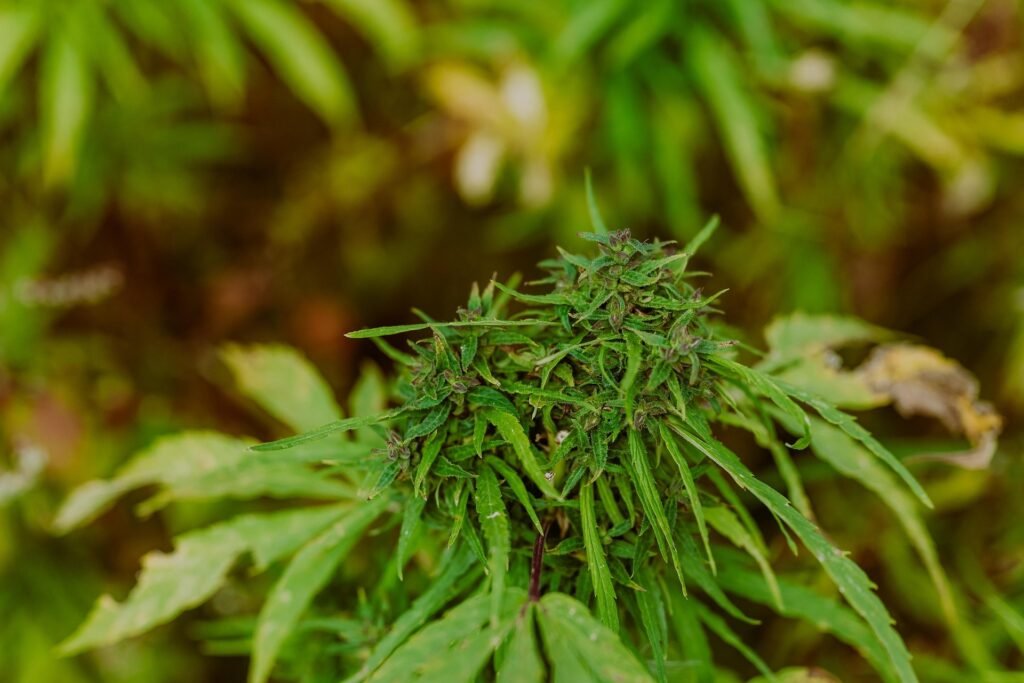
Shake weed (often called “shake”) refers to the small fragments of cannabis plant material that naturally fall off larger buds during harvesting, trimming, packaging, transport, or storage. These fragments usually collect at the bottom of containers, bags, or jars.
Shake typically contains a mix of:
- Tiny pieces of broken flower
- Small leaves from the cannabis plant
- Fine plant particles created through handling
It is important to note that shake is not intentionally produced. It forms naturally as cannabis flowers are moved or handled. Because of this, its appearance and composition can vary widely.
Why Is It Called “Shake”?
The word “shake” comes from the simple idea that when dried cannabis buds are shaken—during transport or handling—small pieces break off and settle separately. Over time, these pieces accumulate and become known as shake.
This phenomenon is not unique to cannabis. Similar processes occur with many dried plants, herbs, and agricultural products where fragments collect as a result of movement and friction.
How Shake Weed Differs from Whole Buds
The most noticeable difference between shake weed and whole cannabis buds is structure.
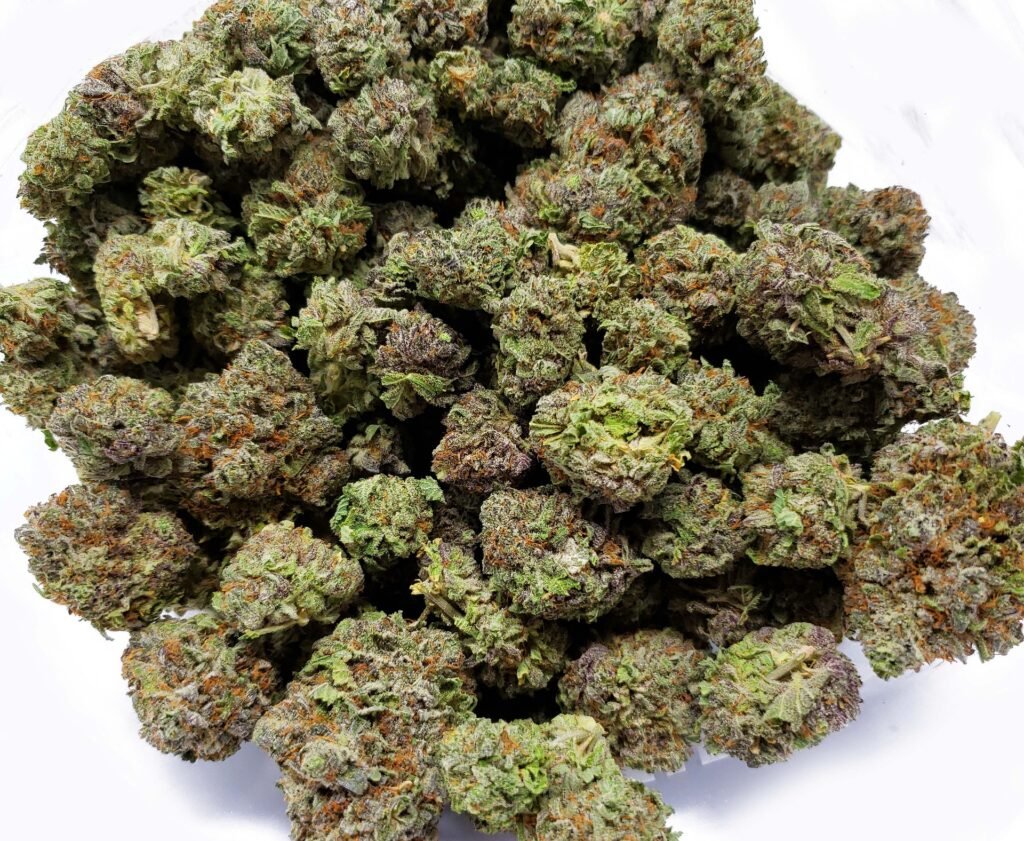
- Whole buds are intact flowers with their natural shape preserved.
- Shake consists of loose, broken material without a defined form.
Another difference lies in consistency. Whole buds are relatively uniform in composition, while shake may contain a mix of flower pieces and leaves, which can lead to variation in aroma, appearance, and plant content.
Is Shake Weed Lower Quality?
One of the most common misconceptions is that shake weed is automatically low quality. This is not always true.
The quality of shake depends on several factors:
- The quality of the original cannabis buds
- How much leaf material is mixed in
- How it was stored and handled
Shake that comes from high-quality flowers may still contain many of the same plant compounds as the original buds. However, because it is less uniform, its characteristics can be less predictable.
That unpredictability is why shake is often perceived as inferior, even though it originates from the same plant material.
Common Myths About Shake Weed
Myth 1: Shake Is a Different Type of Cannabis
Shake is not a strain, species, or special category of cannabis. It is simply a collection of fragments from existing flowers.
Myth 2: Shake Has No Value
While some people dismiss shake as “waste,” it still comes from cannabis flowers. Its value depends on context, quality, and legal framework.
Myth 3: Shake Is Always Old or Stale
Shake can be fresh or old, just like whole buds. Its condition depends on storage, not its form.
Why Shake Weed Exists at All
Shake exists because cannabis flowers are delicate once dried. As they move through different stages—harvesting, drying, trimming, packaging, and transport—small pieces naturally break off.
In commercial environments, this is unavoidable. Even careful handling cannot completely prevent the formation of shake.
Visual and Physical Characteristics
Shake weed usually appears:
- Finely broken or crumbly
- Less visually appealing than intact buds
- Mixed in texture and color
Because it lacks the aesthetic appeal of whole flowers, shake is rarely showcased. However, appearance alone does not tell the full story of its origin.
Legal Considerations and Awareness
The legality of cannabis—including shake weed—varies widely by country, state, and region. In many places, cannabis possession, sale, or use is restricted by age or entirely prohibited.
Shake weed is legally treated the same as other cannabis forms. Its fragmentary nature does not change its legal status.
For this reason, it is important to:
- Understand local laws and regulations
- Avoid assuming legality based on terminology
- Recognize that cannabis laws are strictly enforced in many areas
This article does not promote or encourage illegal activity and is intended solely for informational purposes.
Cultural and Industry Context
In discussions about cannabis culture, shake weed often represents the idea of efficiency and byproducts. In agricultural industries, byproducts are common and sometimes repurposed or discussed differently than primary products.
However, cultural attitudes toward shake vary. Some view it as less desirable due to inconsistency, while others see it as a natural result of processing. These perceptions are shaped more by market expectations than by scientific differences.
Storage and Preservation Issues
Because shake consists of smaller particles, it can be more sensitive to environmental factors such as:
- Air exposure
- Light
- Humidity
This means shake may degrade faster if not stored properly. Again, this is a physical reality rather than an indicator of poor origin.
Why Shake Weed Is Often Discussed Online
Online forums, blogs, and social media have amplified discussions about cannabis terminology. Shake weed is frequently mentioned because it:
- Has a distinct name
- Is visually different from buds
- Sparks debate about quality and value
Unfortunately, online discussions sometimes blur the line between factual information and personal opinion, contributing to misunderstandings.
Understanding Shake Weed Without Hype
At its core, shake weed is simply plant material that has separated from larger cannabis flowers. It is neither magical nor useless, neither inherently superior nor worthless.
Understanding this helps reduce stigma and confusion. Like many agricultural byproducts, shake exists because of physical processes—not because it was designed to be different.
The Importance of Accurate Information
Accurate information matters, especially when discussing regulated substances. Misunderstandings can lead to:
- Misinformation spreading online
- Poor decision-making
- Legal risks for uninformed individuals
Educational discussions should focus on facts, context, and law rather than exaggeration or promotion.
Conclusion
Shake weed is not a special strain or a separate category of cannabis. It is a natural byproduct created when dried cannabis flowers are handled and transported. While it differs in appearance and consistency from whole buds, it originates from the same plant material.
Its reputation as “low quality” is largely based on perception rather than fact. Quality depends on source, handling, and composition—not simply on whether the material is intact or fragmented.
Most importantly, shake weed carries the same legal considerations as other cannabis forms. Understanding what it is—and what it is not—helps promote clearer, more responsible discussions.
By approaching the topic with accurate information and awareness of legal boundaries, people can better separate myth from reality and understand shake weed for what it truly is: a byproduct, not a mystery.